What to Eat to Support Workouts: The Ultimate Pre- and Post-Workout Fuel Guide
By FireRoad Life
Recently, the conversation around workout nutrition has shifted away from trends and toward something more practical. People want to try meals that genuinely support their workouts, not just because they are hyped up on the internet.
When you think about it, the question behind most conversations is simple: What should I eat so my workout and recovery feel effective rather than forced?
A great workout isn’t just about programming or motivation; it’s heavily influenced by what you ate an hour earlier or what you plan to eat afterward.
The answer depends on timing, the kind of movement you're doing, and how your body responds to certain foods. But the patterns are consistent enough now that we can finally talk about pre- and post-workout fuel in a way that isn’t overwhelming.

Why the Right Ingredients Matter
If you've ever walked into a strength session already feeling a little drained, you know how fast your energy can collapse. If you've completed a long run without eating afterward, you know that exhaustion that lingers—not just physically but mentally.
Most people assume it's normal. It isn't. It's usually poor timing.
The body doesn’t operate on willpower; it operates on glycogen, amino acids, electrolytes, and foods that digest cleanly. When you don’t give it enough support, it makes the workout feel harder than it actually is.
When you do support it, the weights suddenly feel manageable, breathing steadies, and recovery is faster.
Nothing about this involves complex equations. It simply involves knowing the nutritional needs of your body at every stage, be it before or after a workout.
Eating Before a Workout
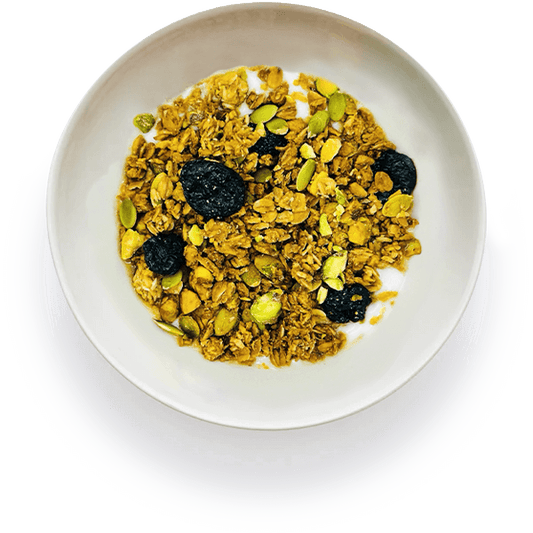
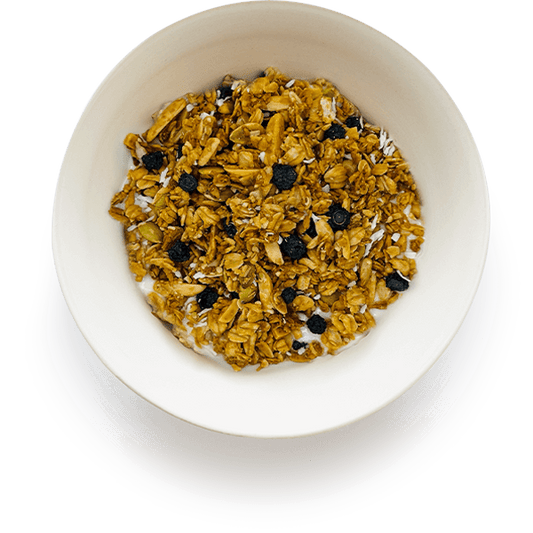
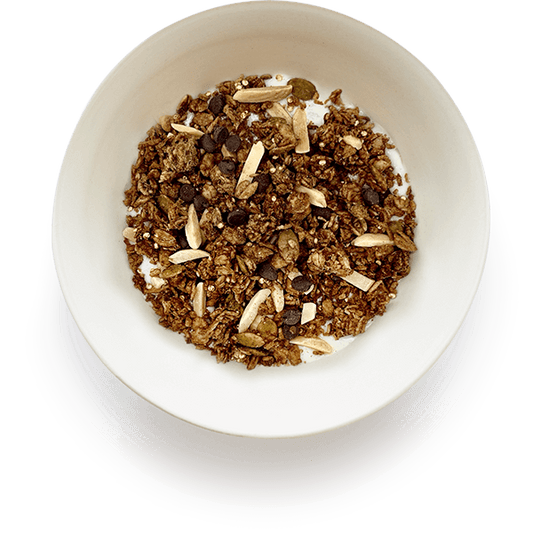
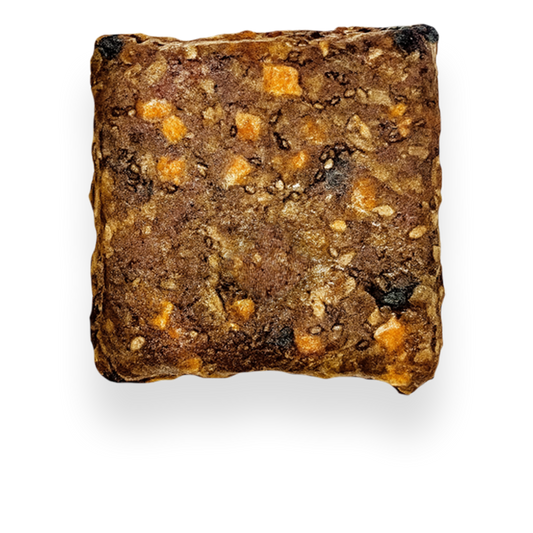
Before a workout, the goal is not to feel full. It’s to feel ready. That usually means power-packed bowls high in carbohydrates your body can tap into quickly, paired with a small amount of protein—just enough to keep muscles firing without slowing digestion.
People often ask, “What do I eat before strength training?” Strength training is a little demanding in the sense that your body burns through stored carbohydrates faster than you think. Going in under-fueled can make even lighter weights feel like a chore.
Cardio is a different story altogether. A light meal consisting of fruit, oatmeal, and a combination of cereal with a splash of protein is usually a better choice than a meal consisting of a lot of fat or a lot of protein.
There’s no single formula that applies to all, but these are the things that tend to work well for most people who are active:
Quick, adequate carbs before movement.
Fruits, oatmeal, toast, rice, sweet potatoes, or a bowl of grains. All of these will provide your body with enough nutrients for it to utilize an hour later.
A touch of protein for stability.
Nothing heavy, maybe tofu, protein smoothies, or a small portion of legumes. Just enough to keep hunger at bay and keep the muscles engaged.
The point isn’t to create the perfect meal. It’s to avoid walking into a workout on fumes.

Eating After a Workout
Right after you finish training, your body becomes strangely efficient at absorbing nutrients. It is during this time that protein counts the most. Not because of bodybuilding myths, but because your muscles are attempting to heal micro-tears and regain lost energy.
People tend to overcomplicate post-workout meals, but it comes down to two things:
1. Replace what you burned (carbs).
2. Repair what you stressed (protein).
That’s it.
This is a matter of personal eating habits. Vegan athletes have long proven (time and time again) that plant-based protein is sufficient for muscle restoration alone.
Lentils, chickpeas, tofu, tempeh, quinoa, and pea protein blends do the job without heaviness or inflammation.
One thing people often overlook: digestion plays a huge role here. If a food leaves you feeling weighed down or bloated, it isn't helping recovery, no matter how “healthy” it looks on paper.
Eating fiber-rich food options may also help after a workout. Feel free to check out which options improve your digestion and boost energy after a workout so you can get on with your day without feeling heavy.
This is why many active people rely on prepared meals. They take the thinking out of the process.
A Few Simple Tips
It sounds obvious but it's important that people really pay attention to how their bodies feel after eating specific foods. Not in a strict, obsessive way, but more like finding patterns.
A few things keep coming up in conversations with athletes and recreational lifters alike:
- Workouts feel better with carbs in the system.
- Recovery is smoother when meals include plant-based proteins rather than heavy, greasy foods.
- Digestion affects training more than people assume.
These aren’t trends but rather observations. The more consistent you are with food timing, the more predictable your workouts become.
Why Pre- and Post-Workout Fueling Doesn’t Have to Be Complicated
It’s easy to think workout nutrition requires a spreadsheet or macro calculator. But most people only need two steady habits:
First, eat a carbohydrate-rich meal before training. Enough to give you fuel, not enough to make you sluggish.
Then eat something protein-forward afterward. Enough to repair and reset your system.
Everything else, like timing, food choices, and portion sizes, can be individualized.
People who find this rhythm often notice their workouts no longer feel like a battle. Strength movements become more stable. Cardio feels less draining. Recovery feels shorter. Sleep deeper. It’s as if the body finally gets what it’s been asking for.
A 2026 Way of Performance Nutrition
A key takeaway for performance nutrition is that fueling is not a diet, but it’s support. It’s a way of ensuring the work you put in actually leads to progress rather than burnout.
And if prepping meals isn’t realistic, that’s where performance-focused food companies come in. FireRoad's meals are built exactly for this purpose: to give active people protein, carbs, and plant-powered nutrients without the hassle. Think of FireRoad as meal prep, without the prep.
Explore the full collection and check out performance-focused plant-based meal delivery options for you.
The information on this website is for informational purposes only and not intended as a substitute for professional medical advice, diagnosis, or treatment. Always seek the advice of your physician or other qualified health provider with any questions you may have regarding your health, diet, or any medical condition.