Smart Nutrition on Back-to-Back Days: Eating Well When Your Schedule Won’t Slow Down
By FireRoad Life
The busiest days are typically when good meal plans usually fall apart. You wake up already behind, you squeeze in work, errands, training, and meetings, and suddenly it’s nighttime, and you realize you’ve been running on caffeine and instant food.
The problem isn’t that you don’t know what to eat. Sometimes it’s great to have pre-made meal plans for quick, healthy meals. But in most cases, your schedule doesn’t leave room for decisions.
This is what healthy eating on busy days actually looks like: simple systems that keep your energy steady and your recovery smoother, even when life won’t slow down.
Why Back-to-Back Days Eventually Hit Your Body Hard
When your schedule stays intense for multiple days, your body pays for it in small ways: sleep gets lighter, stress stays higher, and hunger cues get weird. You might forget to eat, then feel ravenous at night. Or you snack all day and never feel satisfied.
That rollercoaster usually comes from inconsistent fuel. Your body can handle busy days, but it struggles when meals turn random. The goal is steadiness: protein, fiber, hydration, and predictable meals that keep your system calm.
The “Minimum Effective Nutrition” Rule
On hectic days, you don’t need the perfect plan. You need a minimum standard you can hit every time. Think of it like this: every time you eat, include something with staying power. That usually means protein plus plants or whole grains. It doesn’t have to be big. It just has to be real.
This is how you build healthy meals for a busy schedule without overthinking. You’re not trying to eat perfectly. You’re trying to stay functional.
What to Prioritize When You’re Busy
If you only focus on a few things, make them protein, fiber, and hydration. Protein helps with recovery and helps keep hunger at bay. Fiber helps keep digestion steady and slows the drop in energy. Hydration keeps your brain working and reduces that “tired but wired” feeling.
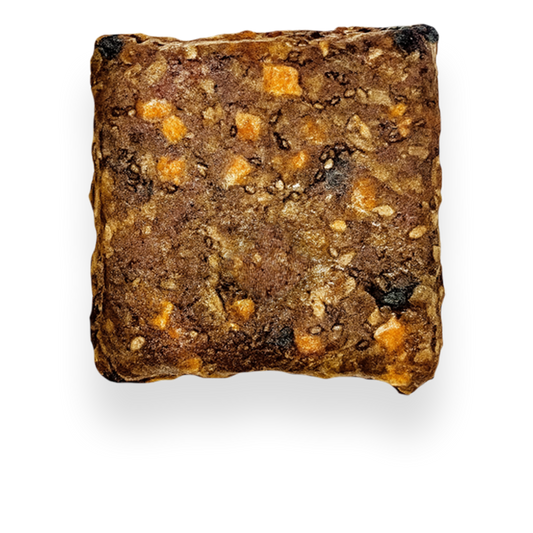
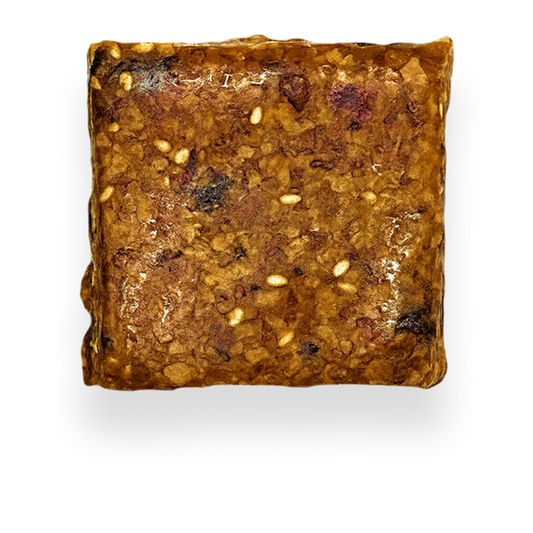
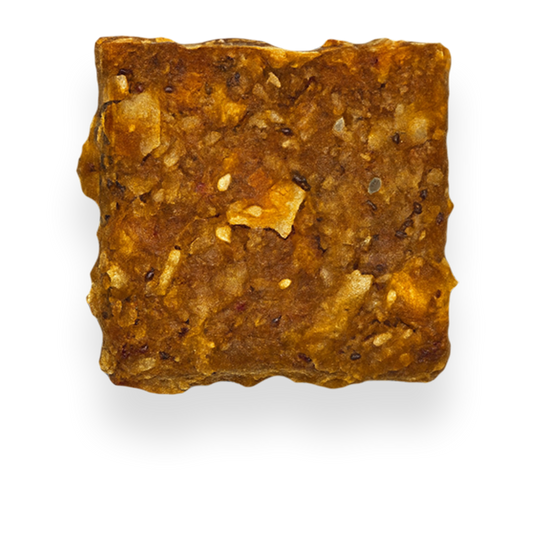
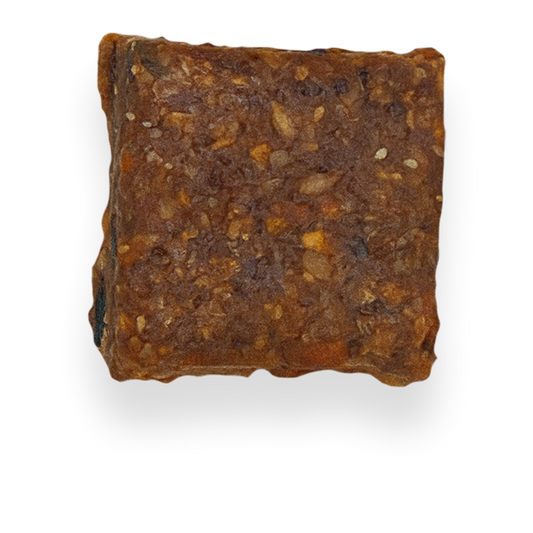
If you train, this matters even more. Back-to-back sessions demand steady fuel. That’s why high-protein plant-based meals and whole food meal bars work so well when you’re busy: they support recovery without making you feel heavy.

The 3-Part “Back-to-Back” Meal Rhythm
A simple rhythm makes hectic days easier: anchor meal, support snack, anchor meal. An anchor meal is something balanced that you can rely on. A support snack prevents the crash gap when you’re running around.
Then you close the day with another anchor meal instead of scavenging at night. This is the foundation of plant-based meals for busy people, as it reduces decision fatigue. You don’t need more willpower. You need fewer choices that all work.
Quick Options That Travel Well
Busy days require food that’s portable and forgiving. You want options that still work when you eat them late or on the go. A bowl-style meal with grains, beans, greens, and a simple sauce is one of the most reliable setups.
Overnight oats work because they’re easy to prepare and pack enough fiber, while nuts and fruit work well when paired together.
When you need whole foods delivered to your door, plant-based meals can be as basic as a balanced ready-to-eat harvest bowl, a protein-forward snack, or a reheatable meal you don’t have to cook.
How to Eat Healthy When Training on Tight Schedules
If you’re training on back-to-back days, your meals should reduce inflammation, support muscle repair, and keep energy steady. Before training, choose something carb-forward with moderate protein so you feel fueled, not heavy. After training, prioritize protein plus a steady carb source for recovery.
Even one balanced meal post-workout can make a difference in your digestion and how you feel for the rest of the day. That’s because day-two soreness often comes from under-fueling along with overtraining.
When Your Appetite Loses Rhythm
Busy streaks can mess with hunger cues. Some people forget to eat. Others crave snacks all day. It’s your body responding to stress and irregular timing.
Instead of forcing big meals after a long day of fasting, aim for smaller, nutrient-dense portions and a gentle rhythm. If you’re constantly hungry, you may be missing macronutrients that slow down digestion, like protein or fiber.
If you’re not hungry at all, you may still need fuel. Your goal isn’t more food. It’s enough food.
Your Backup Plan: Frozen and Ready Meals
Back-to-back days are not the time to rely on perfect cooking habits. You need backup options. This is where healthy frozen meals can help.
A balanced frozen bowl or a portioned meal you can reheat in minutes helps you avoid reaching out for random snacks or takeout.
The best backup meals are the ones you’ll actually need. If your freezer holds even a few reliable options, you maintain balanced nutrition with ready-to-go meals even when your schedule is chaotic.
Where Plant-Based Meal Delivery Fits
When you don’t have time to think, plant-based meal delivery can plug the gap. FireRoad’s meals are built to be grab-and-heat, balanced, and easy on digestion.
When your schedule won’t slow down, having reliable meals ready prevents the “random food spiral” that leads to energy dips and late-night overeating.
It’s not about eating perfectly. It’s about removing friction so you can stay consistent without meal prep. One or two anchor meals already handled can carry your whole week.
Final Thoughts: Stay Steady, Not Perfect
Busy seasons don’t require extreme discipline. They require a simple system. When you protect protein, fiber, hydration, and one or two reliable meals per day, you feel it fast: steadier energy, calmer hunger, better focus, and smoother recovery.
Back-to-back days don’t have to wreck your nutrition. They just need a plan that matches real life. Keep it simple, keep it consistent, and give your body something stable to work with.
The information on this website is for informational purposes only and not intended as a substitute for professional medical advice, diagnosis, or treatment. Always seek the advice of your physician or other qualified health provider with any questions you may have regarding your health, diet, or any medical condition.