Smart Eating Habits While on GLP-1 Medications
By FireRoad Life
Something is fascinating about being on a GLP-1 medication: you don’t just change what you eat—your whole relationship with hunger changes. People expect a smaller appetite. What they don’t expect is the oddness of it.
Some days you’re barely hungry. Other days, you remember you haven’t eaten since noon. Some foods feel great; others suddenly feel too heavy. It’s a weird adjustment at first.
But here’s the part that takes time to figure out: even though your appetite goes down, your body still needs the same essentials—protein, real nutrients, hydration, fiber, steady energy.
GLP-1s make overeating harder, but they don’t automatically teach balanced eating. That part still needs a little intention.
Below are practical habits many people on GLP-1s eventually settle into—not strict rules, just things that make the medication easier on your body and your daily routine.

Eat Even When You’re “Not Really Hungry,” But Don’t Force Big Meals
A lot of GLP-1 users say something like, “I forget to eat, which sounds great until I feel awful.”
That’s the tricky part. Your hunger cues quiet down, but your body never stops needing fuel.
Instead of the usual big breakfast–big dinner pattern, most people find that small, nutrient-dense meals spread throughout the day feel better. Not snacks, but actual food, just in smaller amounts.
Your goal isn’t to eat more. It’s to eat enough.
Focus on Nutrient Quality More Than Quantity
Every bite matters when you’re eating less food a day. This is why nutrient-dense meals are vital when taking GLP-1 medications.
You want foods that “do more” for your body by giving you steady energy, supporting muscle, and helping digestion without feeling heavy.
Ingredients such as vegetables, whole grains, legumes, clean plant protein, and healthy fats are well-suited to GLP-1 medication. They’ll keep you nourished even if you’re taking smaller meal portions.
Many people on GLP-1s discover that high-quality, plant-forward meals are easier on the stomach and easier to portion.
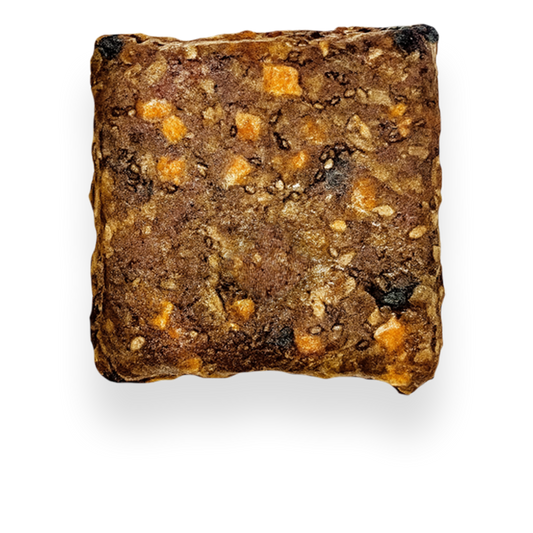
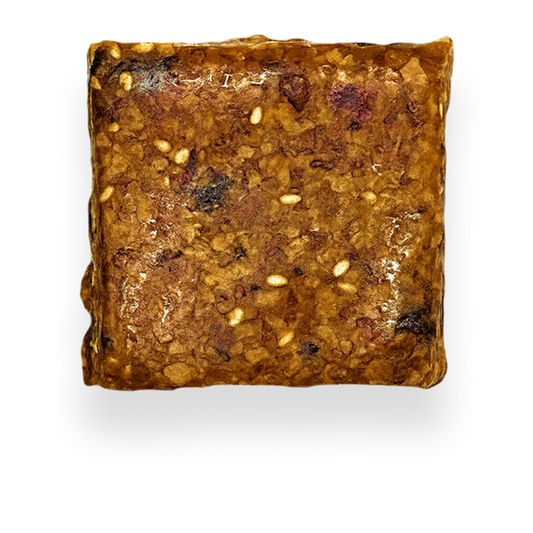
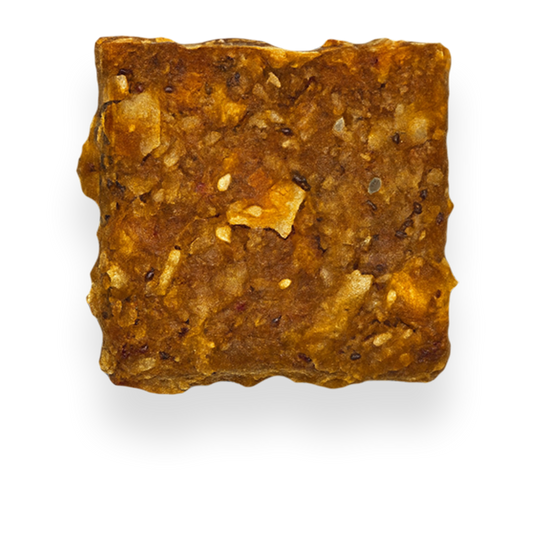
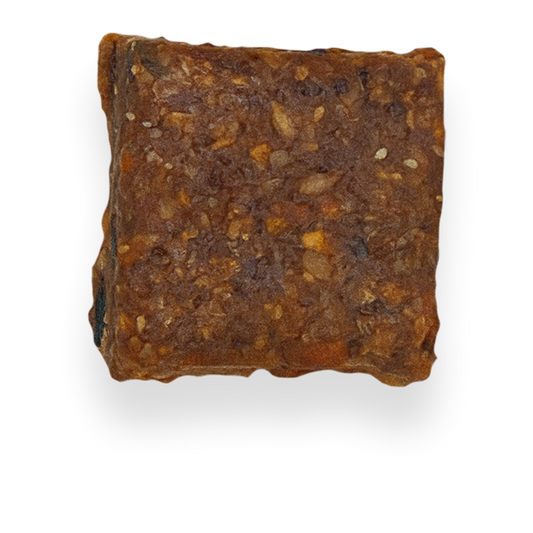
FireRoad’s clean, nutrient-balanced meals make it easier to get the nutrients you need, even when your appetite is irregular. Check out the full GLP-1 selection for a 4-day supply of breakfast, lunch, dinner, and snacks.
Eat Slowly and Let Fullness Catch Up
Something people don’t expect with GLP-1 medications is how quickly fullness sets in. You can feel full halfway through a meal, and then a few hours later, your body says, “That’s enough for now.”
Because of that, slowing down food intake helps more than you’d think. Take a moment between bites, put your fork down now and then, let your stomach and brain talk to each other.
A lot of people say they feel so much better when they don’t rush eating. Smaller portions spread throughout the day often feel more natural than sitting down to a big plate and trying to power through it.
Protein and Fiber Become Your Best Friends
By eating less overall, the nutrients you do get matter more.
Eating protein keeps your muscles strong, and adding fiber to your diet keeps everything moving the way it should. Put the two together, and you stay full without needing huge servings.
You don’t need anything fancy for GLP-1 meals. A bowl with beans, some greens, maybe quinoa or brown rice, and a simple sauce can go a long way. Just aim to include something in each meal that gives your body “staying power.”
Hydration Matters More Than You Think
Another thing that sneaks up on people: forgetting to drink water. When your hunger dips, your thirst sometimes dips with it, and suddenly you realize you haven’t sipped in hours.
You don’t need to force gallons of water. Small habits help—having a glass before meals, keeping a bottle nearby while you work, or sipping warm tea in the evening. Little things like that keep your energy steady and make the medication feel easier on your system.
Two Simple Eating Guidelines That Make Life Easier
When your appetite changes, it’s easy to overthink every food choice. Instead of turning eating into another project, it can help to anchor yourself to just two simple ideas.
They’re not strict rules, just gentle guardrails that keep your energy steady and help you feel human while your body adjusts.
- Choose smaller meals that actually do something for your body—protein, plants, whole grains. When your portions shrink, the quality needs to rise; it’s that simple.
- Try not to wait too long between meals. You don’t have to eat by the clock, but a gentle rhythm throughout the day keeps you from feeling drained or uncomfortable later.
What to Go Easy On While You’re Adjusting
You don’t have to ban any food forever just because you’re on a GLP-1. But in the first few weeks, some things are more likely to make you feel uncomfortable, bloated, or nauseous.
Easing up on these for a bit can make the adjustment phase much smoother, and you can always experiment slowly as you learn what your body handles best now.
- Meals that are super rich or heavy (your stomach might protest more than usual)
- Going many hours without eating anything at all
- Foods loaded with sugar or refined carbs
-
Rushing through a meal or eating while totally distracted—this is a fast track to nausea for many people.
Be Kind to Yourself While You Adjust
Everyone responds to GLP-1s differently. Some people feel balanced within days; others need a few weeks. There’s no “perfect way” to eat during this time, and you’re not doing it wrong if you’re still figuring things out.
The most helpful mindset tends to be this: eat with intention, not pressure. Your appetite might be quieter now, but your body still deserves steady care. With a bit of patience and some thoughtful food choices, you’ll land on a rhythm that feels natural for you.
The information on this website is for informational purposes only and not intended as a substitute for professional medical advice, diagnosis, or treatment. Always seek the advice of your physician or other qualified health provider with any questions you may have regarding your health, diet, or any medical condition.