How High-Fiber Plant-Based Bowls Support Digestion, Blood Sugar, and Long-Term Health
By FireRoad Life
Most people don’t think about fiber until something feels off or digestion gets weird. Sometimes, you might notice your energy dips for no obvious reason. Meals stop holding you over the way they used to.
At that point, someone usually says, “You probably need more fiber,” and the advice ends there.
What’s missing is how fiber actually shows up in real meals — and why some high-fiber diets feel great while others feel uncomfortable or unsustainable.
The connection between fiber and gut health isn’t about hitting a number. It’s about patterns. And for a lot of people, that’s where plant-based bowls quietly do their job.
Fiber Isn’t a Topping — It’s a Structure
A lot of “high-fiber” advice treats fiber like an add-on. Sprinkle seeds on a meal. Add greens on the side. Drink something with fiber in it.
That usually doesn’t change much.
Fiber works differently when it’s part of the meal itself, when it’s coming from legumes, vegetables, and whole foods that take time to digest. That kind of fiber slows things down naturally. Digestion becomes steadier. Hunger feels less urgent. Blood sugar doesn’t swing as hard.
This is why a high-fiber vegan diet built around whole meals feels different from one built around hacks.
What Fiber Actually Does for Digestion
Fiber feeds gut bacteria, but more importantly, it changes how food moves through your system.
Meals that are fiber-rich and varied are digested more slowly. That gives your gut time to work without being stressed. It’s also why people who shift toward high-fiber meals for gut health often notice fewer crashes and less reactive hunger, even if they’re eating roughly the same amount of food.
This isn’t about eating a perfectly balanced meal all the time. It’s about making digestion less chaotic.
Blood Sugar Feels the Difference First
One of the fastest ways people notice fiber working is through energy.
Meals that digest quickly tend to spike blood sugar and drop it just as fast. Meals that contain fiber, protein, and volume behave differently. They release energy more gradually. You don’t feel the need to snack immediately after.
That’s the quiet role fiber plays in fiber and blood sugar control. It doesn’t block carbs — it slows them down.
When meals are built this way consistently, energy stops feeling unpredictable.
Why Bowls End Up Working So Well
There’s nothing magical about bowls. They just happen to solve many problems at once.
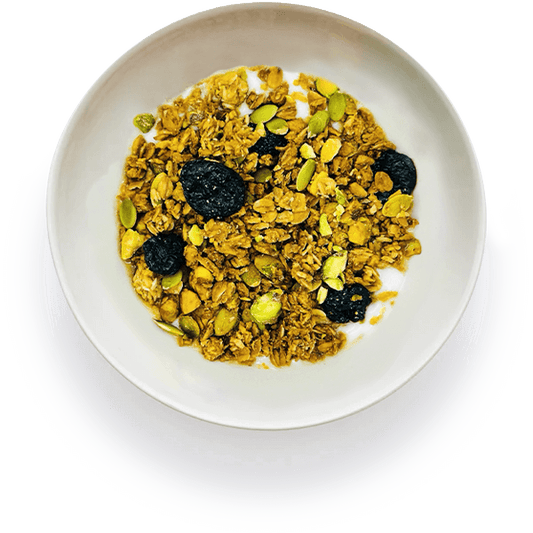
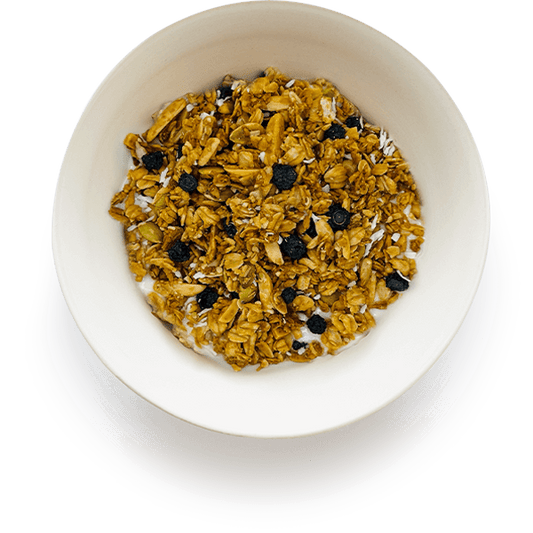
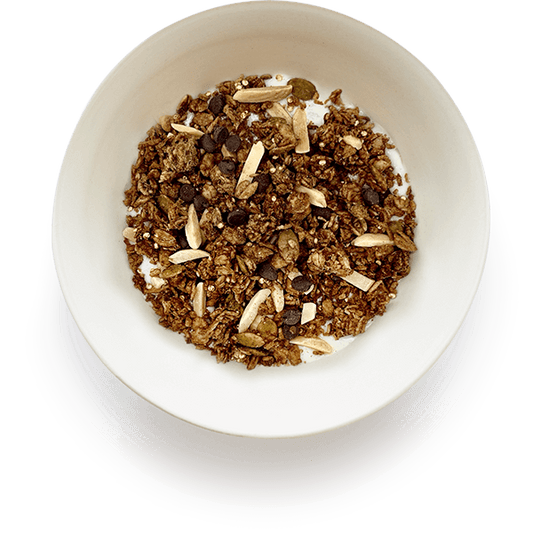
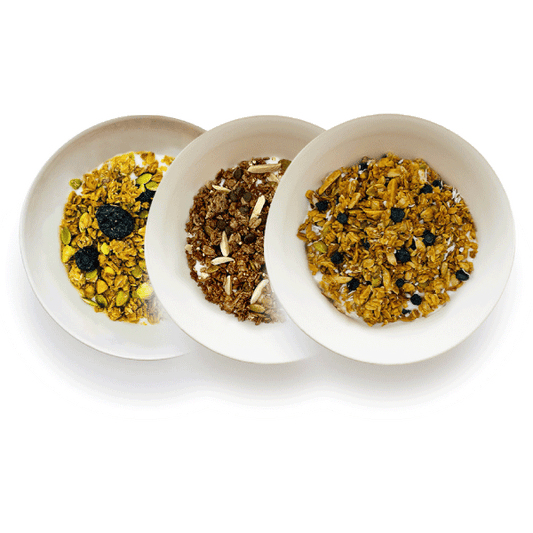
A typical fiber-rich vegan bowl includes legumes, vegetables, and something grounding like grains or starchy plants. Each part brings a different type of fiber. Together, they create a meal that digests slowly without feeling heavy.
This is why people naturally drift toward high-fiber plant-based bowls over time. Not because they’re trendy, but because they’re easy to repeat without thinking too hard.
You can see this high-fiber plant-based structure across FireRoad’s bowls collection, where meals are designed around balance rather than restriction.
Gut Health Is About Repetition, Not Optimization
A gut health-focused plant-based diet doesn’t require constant tweaking. In fact, too much optimization usually backfires.
Gut bacteria respond to what you eat most often. One “perfect” meal won’t change much. A pattern of fiber-rich meals will.
This is also where very restrictive approaches can run into trouble. When entire food groups disappear, fiber diversity often disappears with them. That tradeoff shows up clearly when comparing strict vegan keto to more flexible approaches, which FireRoad breaks down in our discussion of vegan keto vs low-carb plant-based eating.
Less variety usually means less resilience.
Where Meal Delivery Can Actually Help
Consistency is the hardest part of eating well. Not knowledge. Not motivation. Consistency.
That’s where plant-based meal delivery for gut health can be useful — when meals are built from real foods and not shortcuts. Having fiber-rich meals ready removes the daily negotiation of “what should I eat?” and replaces it with a default that works.
When meals are already structured, fiber becomes something you benefit from, not something you manage.
Fiber Doesn’t Need to Be Extreme
More fiber isn’t always better, especially all at once. Most digestive discomfort comes from sudden changes, not fiber itself.
What works better is gradual exposure and variety. Bowls naturally support this because fiber is spread across ingredients instead of concentrated in one place.
That makes digestion calmer. And calm digestion tends to stick.
Final Thought
The relationship between fiber and gut health isn’t complicated — but it does require meals that make sense together.
High-fiber plant-based bowls work because they slow things down without forcing rules or extremes. They’re repeatable. They’re forgiving. And they fit into real life.
If your meals leave you feeling steady instead of reactive, your gut usually knows it before you do.
The information on this website is for informational purposes only and not intended as a substitute for professional medical advice, diagnosis, or treatment. Always seek the advice of your physician or other qualified health provider with any questions you may have regarding your health, diet, or any medical condition.