How Plant-Based Athletes Hit Their Macros Without the Meal Prep
By FireRoad Life
Picture the Tuesday. Training went great. Then work ran long, the gym pushed dinner to 8:30, and now you're standing at the fridge doing protein math that isn't working out in your favor. Sound familiar? For plenty of plant-based athletes, that scene is the actual obstacle. Not knowledge. Not effort. Just time, and the sheer logistics of getting enough protein onto a plate when the day already ate your evening. Knowing you need protein at every meal? Easy. Pulling it off across a messy week is the part that quietly falls apart. So here's the realistic version of hitting your macros on a plant-based diet, without turning your kitchen into a second job.
What Hitting Your Macros Actually Means for Plant-Based Athletes
Most people who train hard need somewhere between 1.2 and 2.0 grams of protein per kilo of bodyweight a day. Run the math on a 70 kg athlete and you land around 84 to 140 grams, give or take, depending on the goal and how heavy the block is. Lifters skew high, closer to 1.6 to 2.2 grams per kilo. Endurance folks stack carbs on top to fuel the long sessions.
Here's the wrinkle nobody mentions. Plant proteins digest a touch differently than animal proteins. The fix is almost insultingly simple: aim for about 10 to 20 percent more total protein and move on. And before anyone panics about plant protein being second-rate, the research says otherwise. Match the total grams and plant-based eating builds muscle just as well, with a few studies actually edging ahead on endurance and recovery. The number isn't the problem. Building meals that reliably hit it is.

Why Meal Prep Is the Real Bottleneck
Ask a plant-based athlete what gets in the way. You won't hear "motivation." You'll hear "time." Getting 100-plus grams of protein from whole foods means wrangling legumes, tofu, tempeh, seeds, grains, vegetables. Shopping for it. Batch-cooking it. Then washing the small mountain of containers it lived in.
Nail Sunday and the week hums along. Skip one Sunday and the whole thing teeters.
That's where it unravels. A meeting runs over, a session bumps dinner back an hour, and "the plan" turns into whatever's quickest within arm's reach. Prepping harder isn't the answer. The answer is making sure your entire week doesn't hang on a single afternoon of cooking.
How to Hit Your Protein Targets Without Cooking Every Day
The athletes who actually stay consistent keep it almost boringly simple. Protein goes on the plate first. Everything else fills in around it. They spread that protein out instead of dumping it all at dinner, because your body does more with three or four moderate hits than one giant one. And they always keep a no-fail option ready for the nights cooking just isn't going to happen.
That last habit carries the whole system. When your fallback already hits the number, willpower stops being load-bearing. Ready-to-eat, high-protein plant-based meals quietly turn your worst days into your easiest ones, because the macros got handled long before you got hungry. There's a deeper breakdown in how to hit your protein goals without cooking every day.
Building an Athlete's Day Around Ready-to-Eat Meals
Convenience and performance were never actually at odds. A normal day might look like a protein-forward breakfast, a real lunch built on legumes or a high-protein bowl, something timed around your session, and a dinner that cleans up whatever protein's still owed. The shape matters more than perfection. Once every slot has a dependable option, hitting your target stops being a negotiation you have with yourself at 9 p.m.
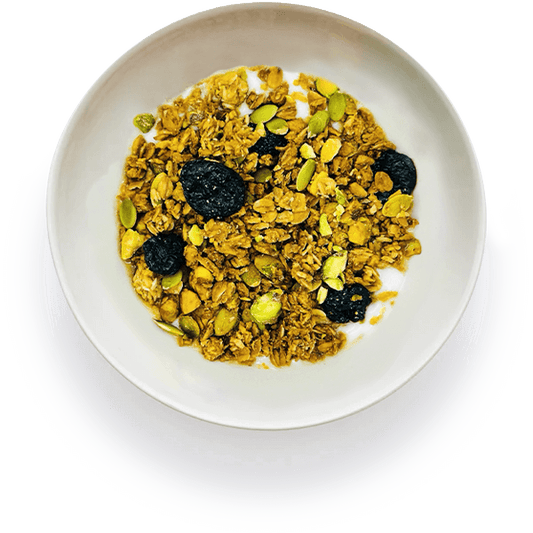
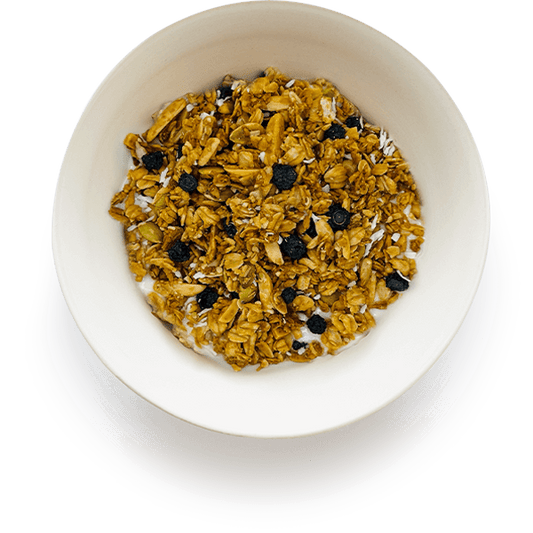
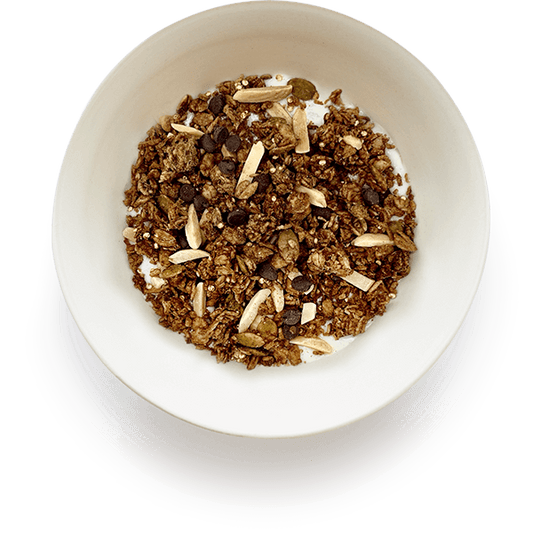
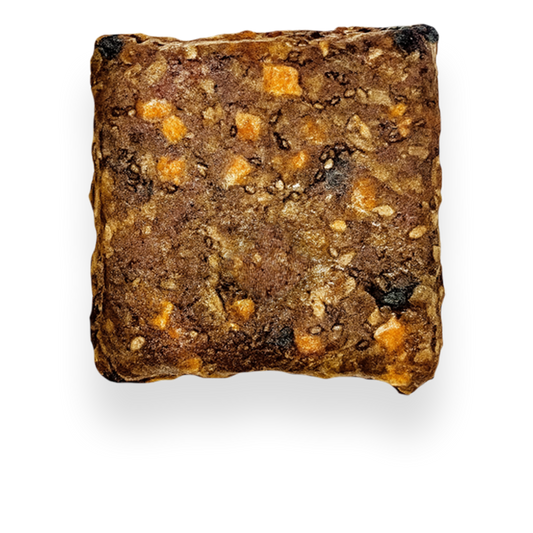
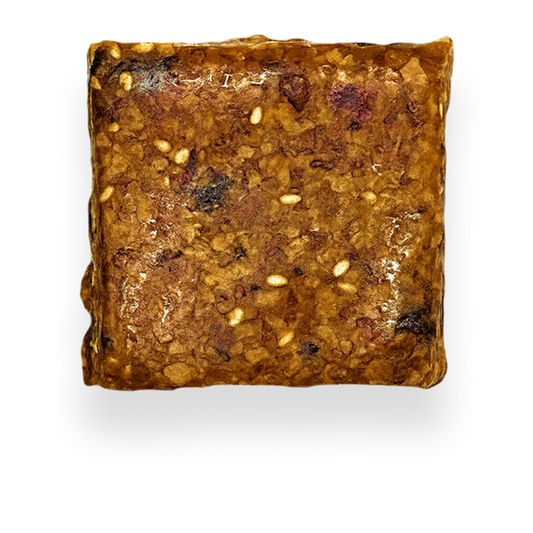
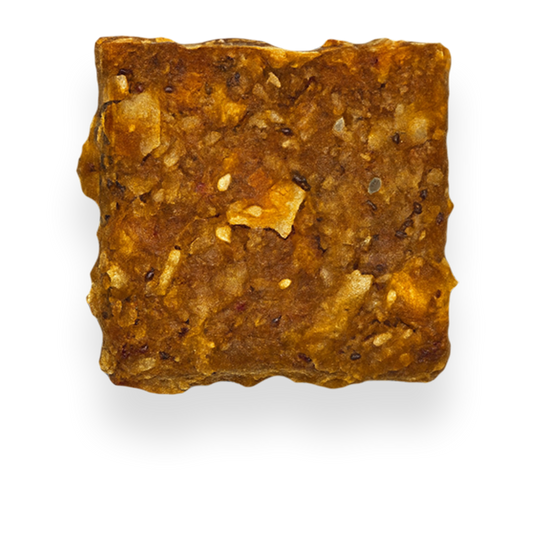
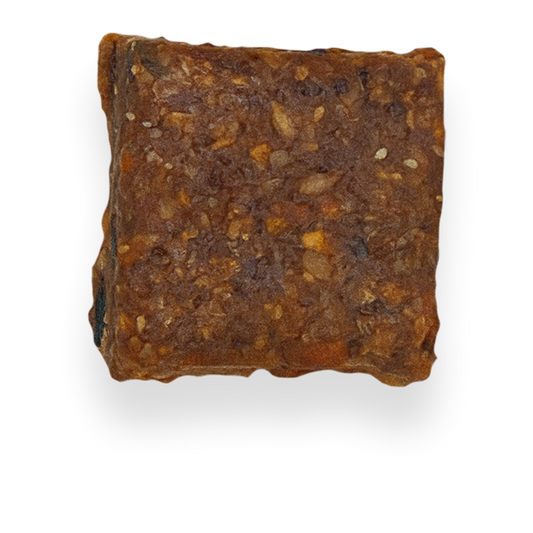
That's the exact gap FireRoad X was built to close. High protein, lower net carbs, fully plant-based, chef-crafted, ready in the time it takes to reheat. No measuring, no assembling, no tracking every gram by hand. You get structured nutrition that already fits a macro-focused day, which buys back the time and headspace you'd rather spend on training and recovery. Timing helps the cause too, and meal timing for performance walks through how to sync meals with your sessions.

Can Plant-Based Meals Really Hit Your Numbers?
Fair question, and it deserves a blunt answer. Yes. Plant-based meals can carry the protein, calories, and quality a hard-training body needs, provided someone actually designed them to. The whole game is choosing options that put protein up front instead of treating it like a side note. Want meals that print their protein and net carbs right on the label. Want whole-food plant proteins doing the work, the legumes and tofu and tempeh. And want enough total calories to match your training, because under-eating quietly sabotages recovery no matter how spotless the ingredients are. Tick those off and your plate has you covered.
Frequently Asked Questions
How much protein do plant-based athletes need each day?
Roughly 1.2 to 2.0 grams per kilo of bodyweight for most training adults, and lifters often want the higher end near 1.6 to 2.2. Because plant proteins digest a little differently, padding the total by 10 to 20 percent is a smart hedge. Just don't cram it all into one meal. Three or four moderate servings recover you better.
Can you build muscle on a plant-based diet?
Absolutely. Once total protein and calories match, plant-based diets put on muscle right alongside animal-based ones. The levers that actually matter are your daily protein total, spreading it through the day, and eating enough overall to back the training you're doing.
How do you hit macros without spending hours on meal prep?
Keep one no-fail, ready-to-eat option that already nails your protein target for the days cooking is off the table. Put protein on the plate first, spread it out, and let a high-protein plant-based meal soak up your busiest slots. Do that and a chaotic week stops costing you your numbers.
Are ready-to-eat plant-based meals high enough in protein for training?
When they're built protein-first, yes. The ones worth your money list protein and net carbs plainly and lean on whole-food plant proteins. Protein-forward lines like FireRoad X exist specifically for macro-minded people who train and need their food to keep up.
Stay Consistent Without the Prep
Strip it all down and hitting your macros comes to one move: make the right choice the easy one, especially on the days that fall apart. The protein's available. The science has your back. What breaks is almost never the plan. It's the prep propping the plan up. Take that off your plate and consistency mostly handles itself. Have a look at FireRoad X and see how protein-forward, ready-to-eat meals keep training and recovery moving, no kitchen marathon required.