FireRoad vs. Trifecta: An Honest Comparison for Performance-Focused Plant-Based Eaters
By FireRoad Life
It's 9:20 on a Tuesday night. Training went well. Legs are cooked. The fridge holds half a bag of spinach, three condiments, and a container from Sunday that nobody wants to investigate. And the protein total for the day is still sitting about forty grams short.
That's usually the moment somebody starts comparing meal delivery services.
If the shortlist narrowed to FireRoad and Trifecta, that tracks. Both talk about performance. Both hand off the cooking. Both have customers who train four or five days a week and would defend the choice at length. The two services just make different assumptions about what a week looks like, and that's where the useful comparison starts.
This comparison is published by FireRoad. Every Trifecta detail below comes from Trifecta's own published information, verified in July 2026. Pricing moves often in this category, so check current figures before ordering.
Trifecta at a Glance
Trifecta is a performance meal-prep service organized around chef-built plans and macro control. Six plans run on the site: Clean, Keto, Paleo, Whole30 Friendly, High Protein Vegetarian, and High Protein Vegan. Two of those six are plant-based. Alongside them sit two build-your-own formats, Meal Prep and Signature Meals, where components or individual dishes get selected one at a time.
The food arrives fresh. Meals are fully cooked, portioned, and shipped in refrigerated packaging on a weekly cadence, landing Friday or Saturday at the latest. Reheating runs a couple of minutes. Shipping covers all fifty states.
On macros: every plan averages 350 to 500 calories and 20 to 40 grams of protein per dish. The High Protein Vegan plan is more specific, listing an average meal at 430 calories, 21 grams of protein, 55 grams of carbs, and 15 grams of fat.
On price, Trifecta listed the two plant-based plans starting at $104.93 per week and the other four at $110.99 as of July 2026, with Meal Prep and Signature Meals at $119. Elsewhere Trifecta quotes slightly different entry points plus a flat $9.99 shipping fee outside Alaska and Hawaii. Per-meal cost slides down as the box gets bigger. Price a real cart on their site rather than trust a number in a blog post, including this one.
And who is it built for? Trifecta leans all the way into athletics. There's a published athlete roster, a sports nutrition program, free nutrition coaches reachable by phone or chat, and an app for logging macros. The brand lives in gym culture and it lives there comfortably.

FireRoad at a Glance
FireRoad is frozen, fully plant-based, and ships from New York City to the continental United States. That's the short version.
The menu runs on two lines. FireRoad X is the lower net carb, keto-friendly program. FireRoad states X meals as often around 18 to 23 grams of protein against 8 to 11 grams of net carbs per serving, with individual dishes running outside that in both directions. X Plates and Pasta X hold two servings per container, so a whole tray roughly doubles both numbers.Balance bowls run about 25 to 32 grams of protein with 34 to 58 grams of net carbs, anchored on vegetables and whole grains. Protein comes from whole food sources like tofu, lentils, chickpeas, and quinoa, portioned to carry the plate rather than garnish it. Breakfast X and X Bites cover the smaller eating occasions around them.
Frozen changes the arithmetic of a week. Meals wait until they're needed instead of counting down.
FireRoad vs Trifecta: Side by Side
|
|
Trifecta |
FireRoad |
|
Plan types |
Six chef-built plans (Clean, Keto, Paleo, Whole30 Friendly, High Protein Vegetarian, High Protein Vegan) plus two build-your-own formats |
Two lines: FireRoad X (lower net carb) and Balance (bowls, breakfast, foundations) |
|
Plant-based options |
Two of the six plans |
The entire menu |
|
Protein per meal |
20 to 40g across all plans; the vegan plan averages 21g |
About 18 to 23g per serving on X (X Plates and Pasta X are two servings per container); about 25 to 32g on Balance bowls |
|
Fresh vs frozen |
Fresh, refrigerated, delivered weekly |
Frozen, shipped frozen |
|
Price per meal |
Plans from $104.93/week (plant-based) and $110.99/week (others) as of July 2026, plus $9.99 flat shipping; per-meal cost falls as meal count rises |
Priced per item: about $7.49 to $10.99 per serving (X Plates $16.99 per container, about $8.49 per serving; Pasta X $14.99, about $7.49 per serving), with better rates on subscription and larger orders |
|
Shelf flexibility |
7 days refrigerated, or freeze on arrival for up to 3 months |
Months in the freezer |
|
Best for |
Athletes who want fresh food, plan variety across a household, and coaching support |
Plant-based eaters who want protein-forward, lower net carb meals every time |
Protein Per Meal
Start with the number most people are actually shopping for.
Trifecta's plans average 20 to 40 grams of protein per dish, a genuinely strong range for prepared food. But the plant-based plans sit at the lower end of it. Trifecta lists the vegan plan's average meal at 21 grams of protein alongside 55 grams of carbs. For an athlete chasing 150 grams a day, 21 grams a meal means the rest of the day has to do real work.
FireRoad's meals were designed backwards from that target. Balance bowls land in the mid-to-high twenties and low thirties. X plates run 18 to 23 grams per serving while holding net carbs in single digits or close to it, and since an X Plate container holds two servings, finishing the whole tray roughly doubles that in one sitting without a shake bolted onto the end of the day. That doesn't make FireRoad the better company. It makes it a differently engineered one. There's a fuller breakdown of the math in how plant-based athletes hit macros without meal prep.
Fresh vs Frozen
This split decides more subscriptions than protein does, and most people underestimate it.
Trifecta ships fresh. The upside is texture, and Trifecta is straightforward about preferring it, recommending refrigeration over freezing for the best result. The tradeoff is a clock. Trifecta advises eating within seven days of delivery, or freezing immediately on arrival for up to three months. A fresh box is a commitment to a specific week.
That's fine when the week behaves. Less fine when a work trip lands on Wednesday or a race weekend moves. Food gets thrown out, and money goes with it.
Frozen removes the clock. FireRoad meals sit until something actually needs eating, so a chaotic week costs nothing. The tradeoff is worth stating plainly: frozen food needs thawing or a longer heat, and freezer space is finite. Small apartments feel that.

Plan Flexibility and Control
This one lands closer to a tie than the plan counts suggest.
Six plan types is real range on paper. Meal Prep goes further, letting components get picked individually so macros can be assembled to spec. Subscriptions skip or cancel, meals can be customized after checkout instead of taking the chef's default, and the menu rotates weekly. Add free nutrition coaching and the tracking app, and Trifecta is offering a system rather than a box. Screen that catalog for plant-based, though, and six becomes two. Most of the range that looks decisive at first belongs to plans a plant-based eater will never open.
FireRoad builds flexibility at the meal level instead of the plan level. Two broad approaches sit on top, X for lower net carb and Balance for bowls anchored on vegetables and whole grains, and the full menu runs underneath both. Every item publishes its own nutrition panel. That means a week gets assembled around real protein and net carb targets rather than sorted into a preset lane. Higher protein on Monday, something lighter on Thursday, a single-serving scramble on the night that got away from you. All menu decisions, no plan change required.
Two routes to the same destination. Trifecta hands over a plan and lets it be adjusted. FireRoad hands over the numbers and the menu breadth to build one. Call it even.
What the Price Actually Buys
Per-meal comparisons here are slippery, and anyone quoting one clean number is rounding something away.
Trifecta's published weekly prices give a floor, not a per-meal figure, because the same plan can hold different meal counts. Bigger boxes bring the number down. The $9.99 flat shipping is at least predictable. FireRoad prices per item, which lands between about $7.49 and $10.99 a serving depending on the line. X Plates run $16.99 a container, roughly $8.49 per serving. Pasta X is $14.99, about $7.49 per serving, and Breakfast X scrambles are $10.99 for a single serving. Subscription and larger orders pull those numbers down.
The sharper question isn't which sticker is lower. It's what a meal replaces. A meal that leaves someone hungry at 3 p.m. gets supplemented with a shake and a bar, and that cost never shows on the invoice. The 2026 plant-based meal delivery pricing breakdown runs the comparison across services.

Plant-Based Fit
Trifecta's plant-based plans are real plans, not an afterthought. Chef-built, rotating weekly, whole-food ingredients, same macro discipline as the rest of the lineup. Customers on those plans review them well.
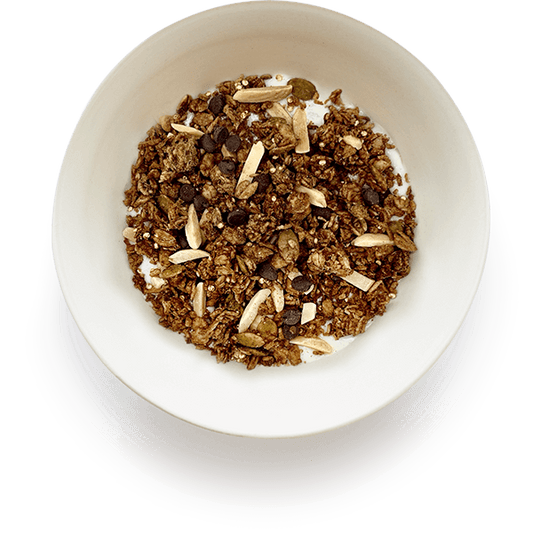
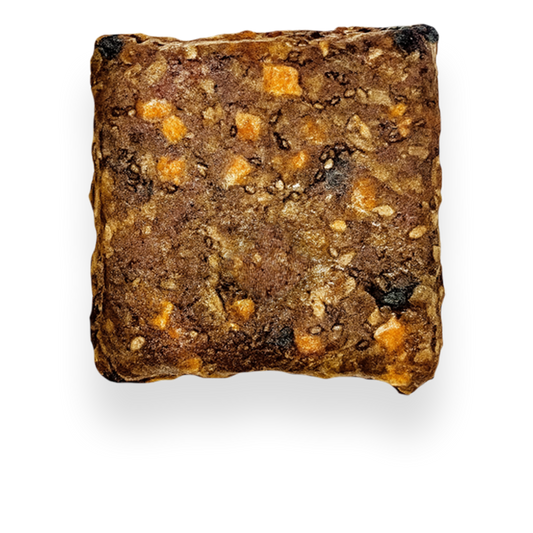
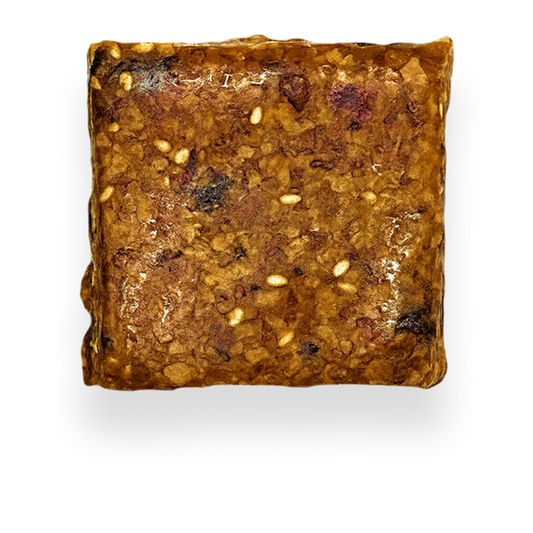
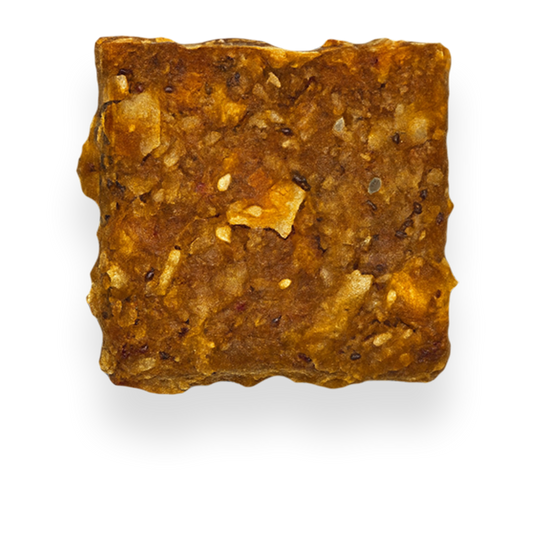
They're also two options inside a larger service, which shapes small things. Menu depth in the plant-based lane is narrower than the full catalog. FireRoad's entire kitchen runs one way, which removes those questions. It does not narrow the table, though. X plates, Balance bowls, breakfast, granola, and snacks all come out of the same order, so two people in the same house can eat completely differently from the same delivery.
Different structures. Both defensible.
Who Each Service Is Actually the Better Fit For
Trifecta is the better call when fresh texture is non-negotiable and freezer space is short. When a household needs more than one dietary style out of one order. When the weekly rhythm is stable enough that a seven-day window isn't a gamble. And when coaching access and a tracking app add real value, especially for someone newer to counting macros. The service that gets used beats the service that looked better on paper.
FireRoad is the better call when protein needs to show up in every meal without arithmetic. When net carbs are being held low on purpose. When the schedule is unpredictable enough that frozen is a feature rather than a compromise.
Plenty of people run both. Fresh for the weeks that hold together, frozen for the weeks that don't. More specifics live in the guide to plant-based meal delivery for CrossFit, running, and lifting.
Frequently Asked Questions
Does Trifecta have a plant-based plan?
It has two. Trifecta lists a High Protein Vegan plan and a High Protein Vegetarian plan among its six chef-built options, both from $104.93 per week as of July 2026. The vegan plan averages 430 calories and 21 grams of protein per meal, built on whole-food plant proteins with a weekly rotating menu. Both can be customized after checkout instead of taking the chef's default selection.
Which service delivers more protein per meal?
On the plant-based side, FireRoad runs higher. Trifecta's vegan plan averages 21 grams per meal. FireRoad Balance bowls run roughly 25 to 32 grams. FireRoad X plates list 18 to 23 grams per serving at much lower net carbs, and since an X Plate container holds two servings, finishing a whole tray roughly doubles that. Across Trifecta's full lineup the range reaches 40 grams, so the gap narrows depending on which plan is being compared. For a plant-based eater specifically, the difference is meaningful.
Is fresh better than frozen for performance meals?
Neither format wins on nutrition. Fresh generally holds texture better, which is why Trifecta recommends refrigeration over freezing. Frozen wins on flexibility, since meals wait indefinitely instead of expiring in seven days. The honest answer depends on the week. Predictable schedules and tight freezer space favor fresh. Travel, shift work, and unpredictable training calendars favor frozen, because uneaten fresh food is money in the trash.
Can Trifecta meals be frozen?
Trifecta says yes, with a caveat. Their guidance is to eat meals within seven days of delivery or freeze them immediately on arrival for up to three months, while noting that refrigeration gives better taste. Freezing is a legitimate backup rather than the intended experience. Anyone planning to freeze most of a Trifecta box every week might get more value from a service built frozen from the start.
Which one costs less per meal?
Depends entirely on the cart. Trifecta's plans started at $104.93 to $110.99 per week as of July 2026 plus $9.99 flat shipping, with per-meal cost dropping as meal count rises. FireRoad prices per item, about $7.49 to $10.99 per serving depending on the line, with better rates on subscription and larger orders. Both sit in premium territory, so the sharper question is cost per gram of protein and how often a meal actually gets eaten instead of tossed.
Which One Fits You
Trifecta fits the athlete who wants fresh food, several plan types under one account, and a coaching layer wrapped around it. It's a well-run service with a genuine athletic identity and a plant-based option that holds up.
FireRoad fits the plant-based eater who wants protein-forward, lower net carb meals waiting in the freezer whenever the week goes sideways.
Two structures, built for two different weeks. Worth being honest about which week describes yours before subscribing to either. If frozen and protein-forward sounds like the right shape, FireRoad X is a reasonable place to start looking.
The information on this website is for informational purposes only and not intended as a substitute for professional medical advice, diagnosis, or treatment. Always seek the advice of your physician or other qualified health provider with any questions you may have regarding your health, diet, or any medical condition.