12 High-Protein Vegan Breakfasts That Hold You Until Lunch
By FireRoad Life
It is 10:40 in the morning. You ate at 7.
A high-protein plant-based breakfast holds you until lunch when it lands roughly 25 to 30 grams of protein alongside 8 to 10 grams of fiber, with some fat in the bowl.
Below about 20 grams of protein, most people feel real hunger again inside two to three hours, which is exactly where 10:40 sits.
That hour is the arithmetic of a breakfast you built light, not a signal that you need more willpower before noon.
What Actually Makes a Breakfast Hold Up Until Lunch
Protein slows how fast your stomach empties and triggers the fullness hormones that tell your brain the meal counted.
Fiber adds volume and slows the release of glucose, so your energy runs steady instead of spiking and dropping. The breakdown of protein and fiber as the satiety pair goes deeper on the mechanism, and the piece on why you can hit your calories and still feel hungry covers the same gap from the other direction.
The oats, wheat flakes and whole grains in your cereal bowl are genuinely good food, and they carry fiber, minerals and slow carbohydrate.
A typical cereal-and-fruit bowl lands near 6 to 9 grams of protein, so your blood sugar comes back down and by mid-morning the tank reads empty.
When you hit the office snack drawer at 10:40, your willpower is not what ran out. The meal you ate had no protein anchor in it to begin with.
Fix the structure and the 10:40 crash stops showing up. Your hunger has been giving you honest feedback the entire time.
Build two or three of the twelve below into your week and consistency does the rest. When the prep step is the part that keeps slipping, FireRoad X covers the lower-carb end of breakfast and FireRoad Balance covers rounded macros, with scrambles, smoothies and oats already portioned.

12 High-Protein Plant-Based Breakfasts
1. Peanut Butter Overnight Oats With Soy Milk (about 28 g protein)
Half a cup of rolled oats gives you 5 g protein and 4 g fiber. Add a cup of soy milk (7 g), two tablespoons of peanut butter (8 g), two tablespoons of hemp hearts (6 g) and a tablespoon of chia (2 g protein, 5 g fiber).
Why it holds: fat plus protein plus soluble fiber slows the whole meal down. Prep: 5 minutes at night, good in the fridge for four days.
2. Cocoa Chia Overnight Oats (about 24 g protein)
Same oat base, built on soy milk with two tablespoons of chia (5 g protein, 10 g fiber), two tablespoons of hemp hearts, cocoa powder and a chopped date. The chia gels overnight and gives you a thick spoonable texture that eats slower than a drink.
Prep: 4 minutes. Make four jars on Sunday and your weekday mornings stop being a decision.
3. Apple Cinnamon Oats With Walnuts and Pea Protein Milk (about 18 g protein)
Rolled oats (5 g), a cup of pea protein milk (8 g), a quarter cup of walnuts (4 g), grated apple, cinnamon, a scoop of soy protein if you want to push past 35.
Why it holds: pectin from the apple plus beta-glucan from the oats thickens in your stomach. Prep: 6 minutes the night before, or 3 minutes in the microwave hot.
4. Tofu Scramble With Black Beans (about 30 g protein)
Six ounces of crumbled firm tofu (16 g) with half a cup of black beans (7 g), turmeric, nutritional yeast (4 g), peppers and salsa. A savory breakfast leaves you with no sugar curve to come down from.
Prep: 10 minutes in a pan. Scramble the full block on Sunday and reheat portions across three days.
5. Chickpea Flour Omelet (about 20 g protein)
Half a cup of chickpea flour (11 g) whisked with water, black salt, spinach and scallions, cooked flat like a pancake. Fold in half a cup of crumbled firm tofu (8 g) and it clears 20 g.
Why it holds: legume protein plus 5 g of fiber baked right into the batter. Prep: 8 minutes, and the batter keeps three days in a jar in the fridge.
6. Tempeh Sweet Potato Hash (about 20 g protein)
Three ounces of tempeh (16 g) crumbled and browned with diced roasted sweet potato, onion and smoked paprika. Fermented tempeh is dense and chews like something substantial.
Prep: 12 minutes with pre-roasted potato. Roast the sweet potato once for your week.

7. Silken Tofu Berry Smoothie (about 24 g protein)
Three quarters of a cup of silken tofu (12 g), a cup of soy milk (7 g), a tablespoon of almond butter (3.5 g), frozen berries and a tablespoon of ground flax.
Why it holds: this is a smoothie with protein and fat structure, not fruit and ice. Prep: 3 minutes, and you can freeze the fruit and tofu in bags ahead.
8. Oat and Green Smoothie With Peanut Butter (about 28 g protein)
Blend half a cup of rolled oats into a cup of soy milk, then add two tablespoons of peanut butter, two tablespoons of hemp hearts, spinach and half a frozen banana. Blended oats thicken the drink so it sits like a meal.
Prep: 4 minutes. Portion the dry oats, hemp and greens into freezer bags on Sunday.
9. Chia Pudding Jars With Almond Butter (about 20 g protein)
Three tablespoons of chia (6 g protein, 15 g fiber) set overnight in a cup of soy milk, topped with two tablespoons of almond butter (7 g) and pumpkin seeds. Grab it on your way out the door.
Why it holds: fifteen grams of fiber matches what the average adult gets in an entire day. Prep: 3 minutes, keeps five days.
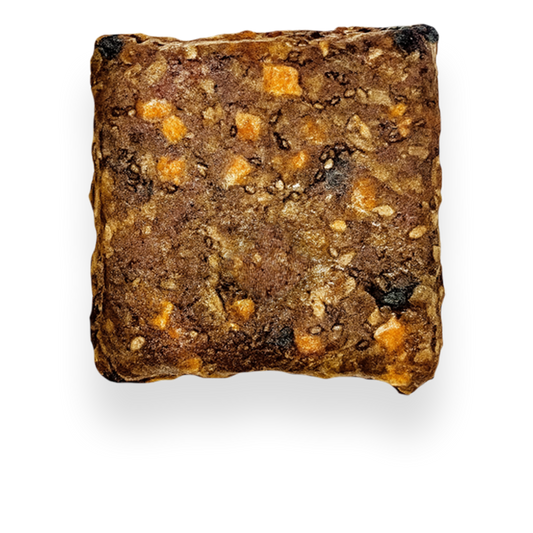
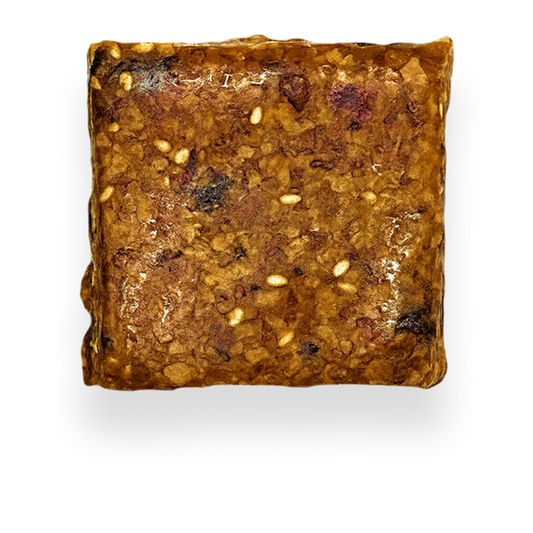
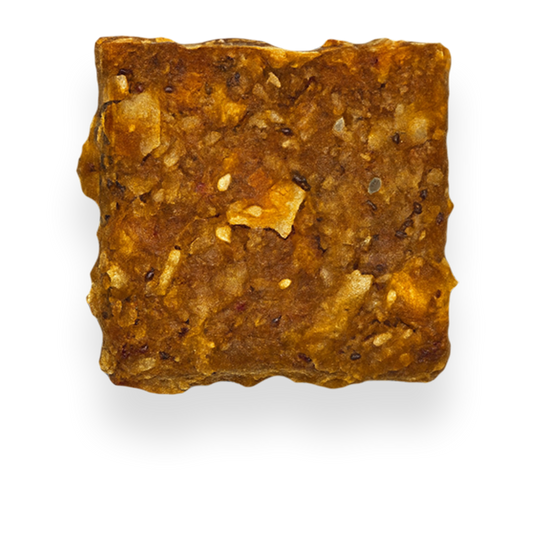
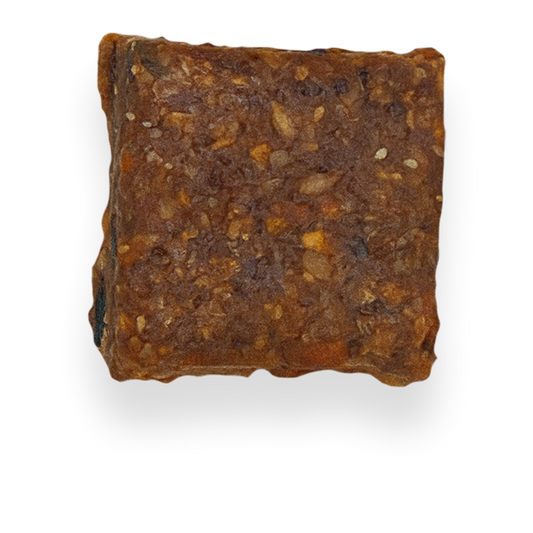
10. Baked Oat and Hemp Squares (about 18 g protein in two squares)
A tray of rolled oats, soy milk, peanut butter, hemp hearts, flax and mashed banana, baked and cut into eight. Two squares travel in a napkin on the days you eat standing up.
Pair with a cup of soy milk and you are at 25 g. Prep: 30 minutes once, then zero minutes for the next six mornings.
11. Savory Steel-Cut Oat Bowl With Edamame and Miso (about 25 g protein)
Cook steel-cut oats in vegetable stock, stir in white miso, top with half a cup of shelled edamame (9 g), cubed tofu (10 g), sesame and scallion. Steel-cut oats are coarser and digest slower than instant.
Prep: 25 minutes on a Saturday, or 10 minutes from a batch reheated with a splash of stock.
12. Batch-Wrapped Tofu Breakfast Burritos (about 30 g protein)
Tofu scramble, black beans, roasted peppers and a whole-grain tortilla, wrapped in foil and frozen six at a time. Reheat one in fifteen minutes in the oven or four in the microwave.
Why it holds: protein, fiber and fat in a format you can eat with one hand. Prep: 45 minutes on a weekend for six mornings of coverage.
Frequently Asked Questions
How much protein should a high-protein plant-based breakfast have?
Aim for 25 to 30 grams. That range is where most people report holding comfortably for four to five hours, and research suggests protein works best spread evenly across meals rather than loaded into dinner.
If your breakfast currently sits near 10 grams, do not jump straight to 30. Add one anchor at a time: soy milk instead of a lower-protein alternative, then hemp hearts, then nut butter.
Each swap is small on paper and adds up fast.
Can you hit 30 grams at breakfast without protein powder?
Yes, and most of the recipes above do it. Tofu carries roughly 16 grams per six ounces, tempeh about 16 grams per three ounces, soy milk 7 to 8 grams per cup, hemp hearts 6 grams per two tablespoons, and peanut butter around 8 grams per two tablespoons.
Stack any three of those and you clear 25 without touching a scoop. Powder is a convenience tool, not a requirement, and whole-food sources bring fiber and minerals along with the protein.
Are oats a good source of protein?
Oats are a genuinely useful base. Half a cup dry gives you about 5 grams of protein and 4 grams of fiber, including beta-glucan, the soluble fiber linked to slower digestion and steadier blood sugar.
What oats are not is a complete breakfast on their own. Treat them as the platform and build the protein on top with soy milk, hemp, chia, nut butter or tofu.
That combination is what carries you to lunch instead of fading by 10:40.
Why does a smoothie leave you hungry an hour later?
Most people build a smoothie almost entirely from fruit and a low-protein milk alternative, which lands under 10 grams of protein. Liquid meals also move through your stomach faster than food you chew.
The fix is structural, not a question of drinking more. Add silken tofu, soy milk, hemp hearts or nut butter, and include something with fiber like oats, flax or greens.
A smoothie you eat with a spoon holds better than one you drink through a straw.
How far ahead can you make overnight oats?
Four to five days refrigerated in a sealed jar, which makes Sunday night the highest-leverage twenty minutes in your week. Oats with chia thicken further by day three, so add a splash of soy milk before eating.
Keep crunchy toppings like nuts and seeds separate until the morning.
If you want longer runway, freeze assembled jars for up to two months and move one to the fridge the night before. The overnight oats collection covers the same job without the prep step.
Making a High-Protein Plant-Based Breakfast Your Default
Pick two that match your actual mornings, one make-ahead and one hot, and repeat them. A high-protein plant-based breakfast only works if you can execute it half-asleep, which is why consistency beats variety here.
Land 25 to 30 grams of protein in the meal that starts your day and everything after it gets easier. The guide to protein-forward eating explains why that first anchor meal carries so much of the load.
If your mornings run on a tight clock and breakfast is the meal that keeps slipping, take a look at the overnight oats collection and see how protein-forward, plant-based meals fit the way your week actually runs.
The information on this website is for informational purposes only and not intended as a substitute for professional medical advice, diagnosis, or treatment. Always seek the advice of your physician or other qualified health provider with any questions you may have regarding your health, diet, or any medical condition.